
Iron: too much and you’re at risk for liver disease; too little and you’re anemic. As much as 18% of Americans use a supplement containing iron, but a new study published in both the Journal of the American Heart Association and PLoS Medicine made connections between naturally occurring iron levels and more than 900 health…More
Tart Cherries & Metabolic Syndrome
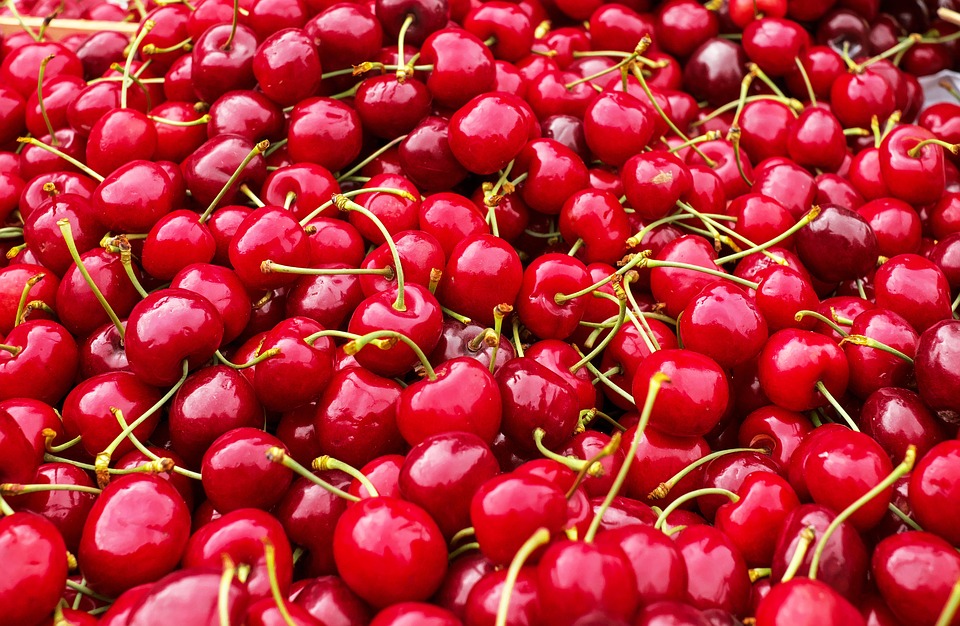
A recent study found that a specific type of tart cherries can improve health conditions for adults with metabolic syndrome, which I blogged about not too long ago. For this blog post, we’re traveling to an area of France just north of Paris… Montmorency tart cherries look just like the little cherries you’ll find while…More
Something to Say About Soy
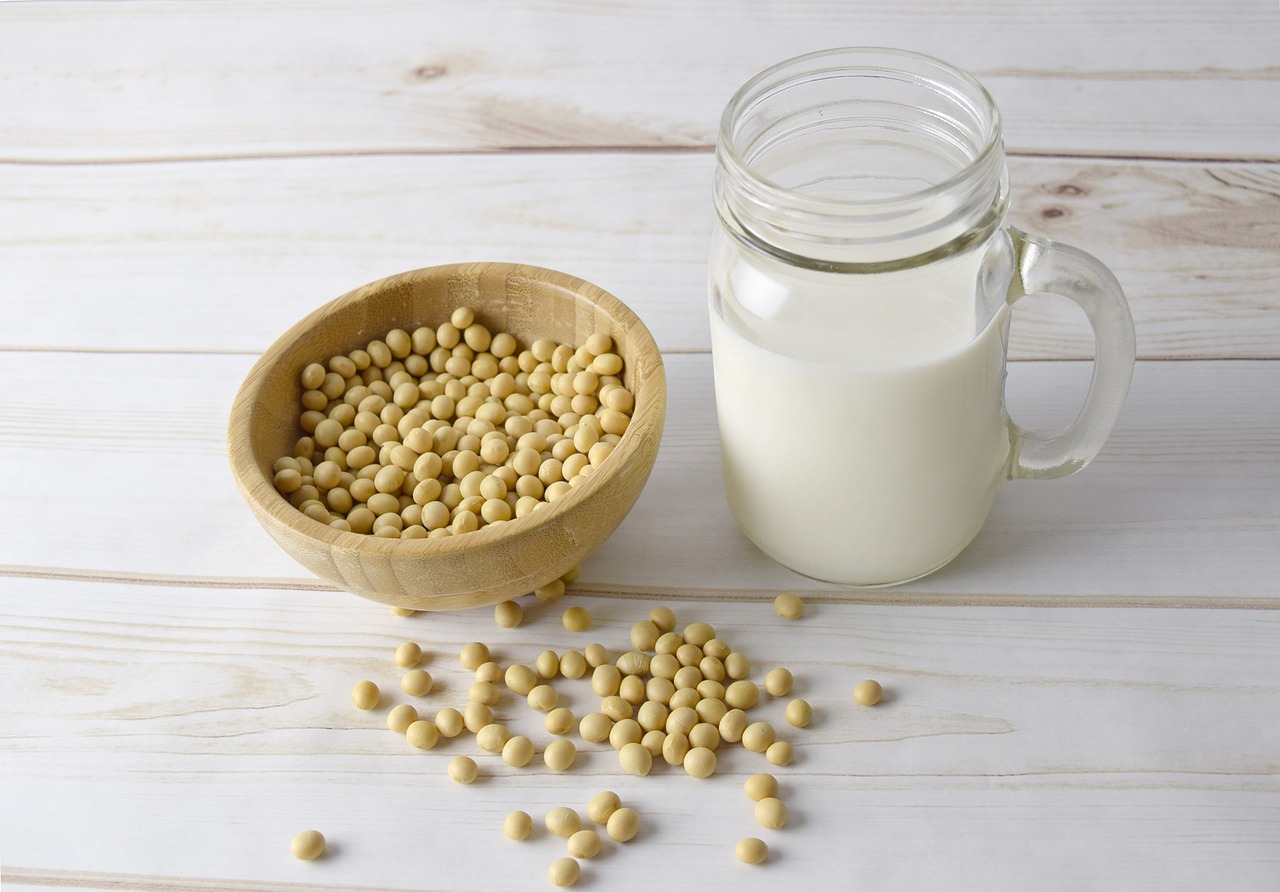
Apparently the U.S. Food and Drug Administration (FDA) is planning to remove soy from the “official” list of heart healthy foods, but a group of Canadian scientists have something to say about it. (Note: I couldn’t find a press release from the FDA announcing the removal of soy from the heart healthy list, but should…More
What is Metabolic Syndrome?

You might have heard the term “metabolic syndrome” and envisioned it as some sort of specific disease, but it’s not quite a “disease” in the typical sense. Metabolic syndrome is better described as a health state in which you are at an increased risk for conditions like diabetes, hypertension, and heart disease. Metabolic syndrome has…More
You, Your Metabolism, and Science: How Research Studies Can Fight the Obesity Epidemic

Note: This is an article I wrote that was originally published on TransformingScience.com. The one-of-a-kind Human Whole-Room Calorimeter at the UNC Chapel Hill Nutrition Research Institute can be used for a wide variety of research studies. Read on to learn about how this technology works, how experts at the Appalachian State University Human Performance Laboratory are…More
To Supplement or Not to Supplement: That Is the Question

TIME reported on a new study this week that ultimately concluded that taking nutritional supplements is not the same as eating a healthy diet. Researchers report that you cannot be truly healthy without getting your nutrients from the source – from fruits, vegetables, and other plant-based foods. My first thought: We call them “supplements” for…More
History of Dietary Recommendations in the United States

In some shape or form, as early as the 19th century Americans have been making dietary recommendations and heeding advice provided by experts. Early 20th Century Chemist Dr. Wilbur Olin Atwater’s 1904 publication “Principles of Nutrition and Nutritive Value of Food” was based on: Variety Proportionality and moderation Measuring calories An efficient, affordable diet focusing…More
What’s Killing Us? What We’re NOT Eating

“Health effects of dietary risks in 195 countries, 1990–2017: a systematic analysis for the Global Burden of Disease Study 2017” The Lancet All the major news media outlets are reporting on this story today as if it’s some big surprise. But is it really surprising that a diet high in sodium, processed food, and sugary…More
Cancer Treatment Saves the Life of an HIV Patient – For the Second Time

I’m finally finding time to finish a blog post on the announcement Nature made earlier in March with a pretty big headline subject: for only the second time ever, an individual infected with HIV is “cured” – as much as it is humanly possible to be cured of HIV – via stem cell transplant. University…More
Occupied

I remember a time when I did not know what the word “occupied” meant. I was young, maybe seven years old, when I walked into a bathroom at a restaurant, knocked on the door of a stall and the person inside replied, “occupied.” When I returned to my table where my family was having dinner,…More
 ScienceKara.com